
Branded vs. Generic Adjuvants: How to Optimize Spray Performance and Protect Your ROI Potential
When input budgets get tight, it is easy to look at the price tag on a jug of adjuvant and wonder whether a lower-cost generic product will do the job just as well as a premium-branded one. After all, if the active ingredients are similar, why pay extra?
However, looking strictly at cost-per-gallon rather than performance-per-acre can leave yield potential behind in the field. Your agronomist can help you determine where branded adjuvants excel and how to spend strategically to make the most of your input dollars.
Generic adjuvants often rely on single, basic ingredients. Proprietary-branded adjuvants are often multi-component systems designed to address multiple spray-quality issues at once.
Formulation Matters
Consider a standard water conditioner pass:
Generic Option (e.g., Valcheck® AMS adjuvant): Delivers basic ammonium sulfate to soften water but offers little else to assist with droplet retention or leaf surface absorption.
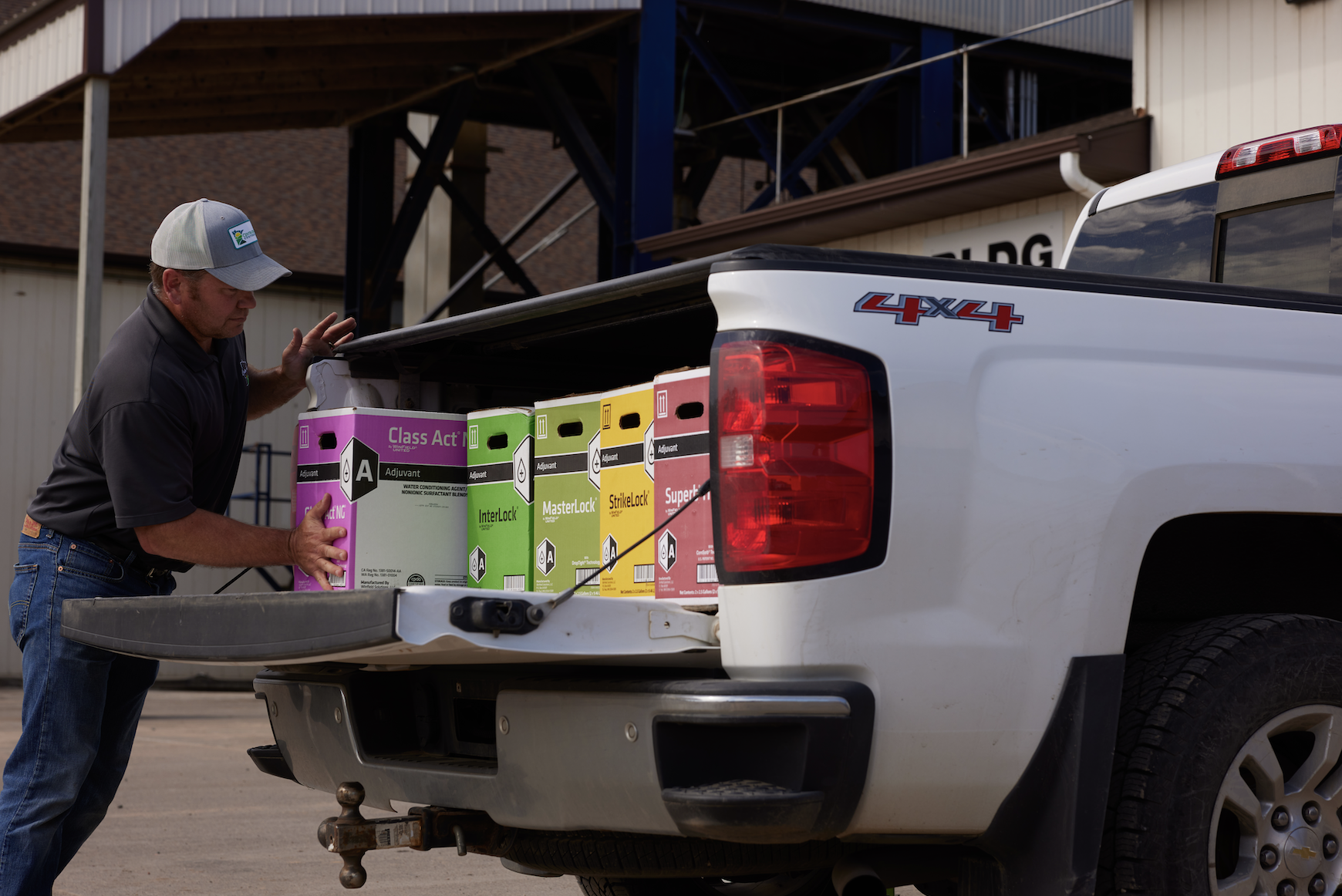
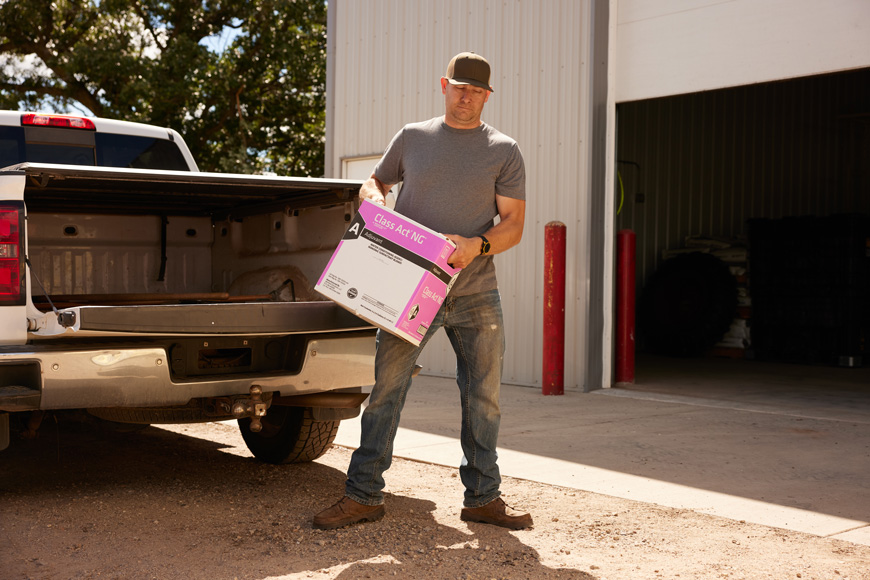
Branded Premium Option (e.g., Class Act® NG® adjuvant): Combines standard ammonium sulfate with a non-ionic surfactant plus proprietary CornSorb® technology.
By integrating surfactant quality and absorption technology directly into the water-conditioning package, the branded AMS product delivers significantly more "horsepower" to drive active ingredients into the plant target.
Testing, Testing, and More Testing
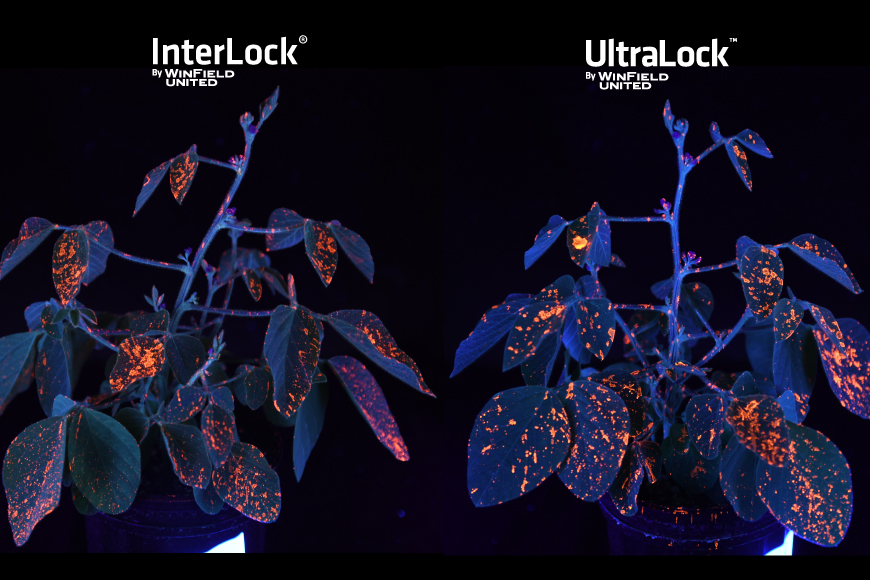
A key differentiator for WinField® United-branded adjuvants is the volume of testing behind every jug. Premium formulations undergo numerous wind-tunnel, spray-table and field-trial tests alongside specific herbicides, fungicides and insecticides to support consistent droplet delivery and uptake.
This is where a premium adjuvant proves its value. Spending money on a high-performing, proprietary adjuvant helps your post-patent active be absorbed effectively, helping you get optimal performance from each spray pass.
When Generic Adjuvants Can Help Save Dollars
• Pre-Plant/Pre-Emerge Passes: When applying soil-applied residual herbicides, pre-emergence, crop safety and rapid leaf uptake are less critical than in post-emergence passes. This could be an ideal window to move to cost-effective generic oil options rather than top-tier methylated seed oils.
Where to Invest in Top-Tier Adjuvants
• Post-Emergence Herbicide Passes: When targeting tough, established weeds or dense canopies under stress, leaf penetration, drift control and crop safety are essential. Investing in premium adjuvants, like StrikeLock® adjuvant or SuperLock® adjuvant during post-emergence windows, helps pay off directly through improved weed control and yield retention potential.
Because you invest the same input dollars in your active herbicides regardless of which adjuvant goes into the tank, improving uptake directly helps increase the value of every chemical dollar spent. Ask your agronomist to share data to clearly demonstrate how branded adjuvants improve herbicide and fungicide performance compared to generic alternatives.
1. What specific job does this spray pass require? Do you need water conditioning, canopy penetration, drift mitigation or a combination of these?
2. Is this product designed for my specific crop and timing? Ensure the surfactant or oil package (COC, MSO or NIS) meets the herbicide label requirements.
3. Is there herbicide-specific data behind this adjuvant? Look for information that the product has been tested with your exact tank-mix combination.
Talk to your local WinField United retailer today to review spray data and build a customized adjuvant plan for your acres.
All photos are either the property of WinField United or used with permission.
© 2026 WinField United. Important: Before use, always read and follow label instructions. Crop performance is dependent on several factors many of which are beyond the control of WinField United, including without limitation, soil type, pest pressures, agronomic practices and weather conditions. Growers are encouraged to consider data from multiple locations, over multiple years and to be mindful of how such agronomic conditions could impact results. Class Act NG, StrikeLock, SuperLock, Valcheck and WinField are trademarks of WinField United. All other trademarks are the property of their respective owners.
However, looking strictly at cost-per-gallon rather than performance-per-acre can leave yield potential behind in the field. Your agronomist can help you determine where branded adjuvants excel and how to spend strategically to make the most of your input dollars.
Breaking Down the Differences Between Generic and Branded Adjuvants
At first glance, two adjuvants might seem comparable, but the real distinction comes down to active formulation ingredients and rigorous research data.Generic adjuvants often rely on single, basic ingredients. Proprietary-branded adjuvants are often multi-component systems designed to address multiple spray-quality issues at once.
Formulation Matters
Consider a standard water conditioner pass:
Generic Option (e.g., Valcheck® AMS adjuvant): Delivers basic ammonium sulfate to soften water but offers little else to assist with droplet retention or leaf surface absorption.
Branded Premium Option (e.g., Class Act® NG® adjuvant): Combines standard ammonium sulfate with a non-ionic surfactant plus proprietary CornSorb® technology.
By integrating surfactant quality and absorption technology directly into the water-conditioning package, the branded AMS product delivers significantly more "horsepower" to drive active ingredients into the plant target.
Testing, Testing, and More Testing
A key differentiator for WinField® United-branded adjuvants is the volume of testing behind every jug. Premium formulations undergo numerous wind-tunnel, spray-table and field-trial tests alongside specific herbicides, fungicides and insecticides to support consistent droplet delivery and uptake.
Maximizing Generic Chemistry with Premium Adjuvants
As more popular herbicide actives move to post-patent (generic) status, the strategy around spray tank adjuvants shifts dramatically. If you choose a lower-cost, post-patent post-emergence herbicide, you may lose some of the manufacturer's warranty coverage or field-level technical support that came with original branded options.This is where a premium adjuvant proves its value. Spending money on a high-performing, proprietary adjuvant helps your post-patent active be absorbed effectively, helping you get optimal performance from each spray pass.
When to Invest and When to Save on Adjuvants
You don't always need to use the highest-tier product on every acre or at every application timing. A smart adjuvant strategy matches product performance to the application's risk level.When Generic Adjuvants Can Help Save Dollars
• Pre-Plant/Pre-Emerge Passes: When applying soil-applied residual herbicides, pre-emergence, crop safety and rapid leaf uptake are less critical than in post-emergence passes. This could be an ideal window to move to cost-effective generic oil options rather than top-tier methylated seed oils.
Where to Invest in Top-Tier Adjuvants
• Post-Emergence Herbicide Passes: When targeting tough, established weeds or dense canopies under stress, leaf penetration, drift control and crop safety are essential. Investing in premium adjuvants, like StrikeLock® adjuvant or SuperLock® adjuvant during post-emergence windows, helps pay off directly through improved weed control and yield retention potential.
Better Uptake Equals Better Dollar Efficiency
Every input decision always comes back to ROI potential.Because you invest the same input dollars in your active herbicides regardless of which adjuvant goes into the tank, improving uptake directly helps increase the value of every chemical dollar spent. Ask your agronomist to share data to clearly demonstrate how branded adjuvants improve herbicide and fungicide performance compared to generic alternatives.
Key Questions to Ask Before Loading the Tank
Not all adjuvants are created equally. Beware of "all-in-one" products promising to solve every issue in a single container. Before purchasing your tank mix components, ask these fundamental questions:1. What specific job does this spray pass require? Do you need water conditioning, canopy penetration, drift mitigation or a combination of these?
2. Is this product designed for my specific crop and timing? Ensure the surfactant or oil package (COC, MSO or NIS) meets the herbicide label requirements.
3. Is there herbicide-specific data behind this adjuvant? Look for information that the product has been tested with your exact tank-mix combination.
Optimize Your Spray Strategy This Season
Choosing between generic and branded adjuvants doesn't have to be an all-or-nothing decision. By aligning premium, data-backed adjuvants with your high-priority passes and placing cost-effective options on pre-emerge acres, you can help stretch your input dollars while optimizing control in the field.Talk to your local WinField United retailer today to review spray data and build a customized adjuvant plan for your acres.
All photos are either the property of WinField United or used with permission.
© 2026 WinField United. Important: Before use, always read and follow label instructions. Crop performance is dependent on several factors many of which are beyond the control of WinField United, including without limitation, soil type, pest pressures, agronomic practices and weather conditions. Growers are encouraged to consider data from multiple locations, over multiple years and to be mindful of how such agronomic conditions could impact results. Class Act NG, StrikeLock, SuperLock, Valcheck and WinField are trademarks of WinField United. All other trademarks are the property of their respective owners.

Related Articles