
Five Key Strategies for Closing the Yield Loss Gap
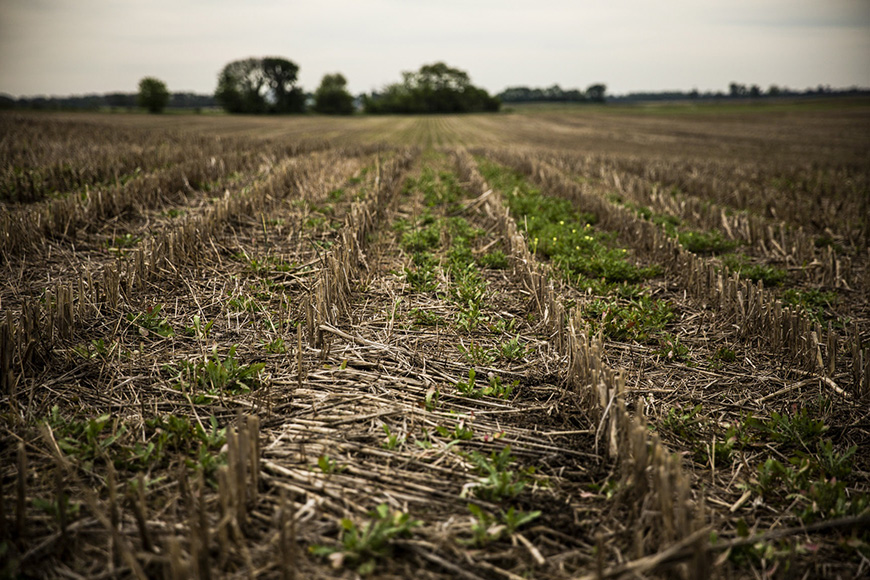
Maximum yield = genetics + environment + management. The difference between what a crop could produce and what it does produce is what we like to call the yield loss gap.
Closing that gap takes a disciplined, layered approach — not a single product in the tank. It’s about protecting yield potential at every stage of the season, especially the days that quietly chip away at performance. Here’s five key strategies for minimizing yield loss days and closing the gap.
1. Start with the Basics: The Foundation Comes First
Before layering in yield-enhancing products, the basics must be dialed in.That starts with getting the planting conditions, soil and nutrients right. If the crop struggles from day one, every other decision becomes reactive instead of proactive.
Nutrient management is going to be one of the most important factors going into the 2026 season. When nutrient levels are optimized, crops respond better to additional inputs later in the season. In other words, biologicals and plant growth regulators aren’t replacements for strong fertility programs — they’re multipliers.
Midseason nutrition tools such as MAX-IN® products, boron applications at tassel timing in corn, and micronutrient blends like MAX-IN Ultra ZMB® Plus micronutrient can help tighten up those fertility gaps later on, but the key is this: if nutrients and environment aren’t right, micronutrients layered on top will won’t perform to their fullest potential..
2. Build Stronger Roots Early
Once the foundation is in place, the next step is strengthening the plant’s ability to access nutrients and water. A crop that can access more nutrients and moisture early is better equipped to handle stress later and that early advantage can carry on all season long.In corn, in-furrow plant growth regulators (PGR) like Ascend²® PGR help stimulate quick, even emergence along with strong, deep root expansion, which can help improve nutrient uptake and supports resilience in less-than-ideal conditions. It’s engineered to give corn a strong ally with a potential positive yield impact of 7.5 bushels per acre as compared to starter fertilizer alone.1
In soybeans, Ascend ST3™ seed treatment plays a similar role. By encouraging strong early root development, soybeans are better positioned to scavenge nutrients and respond to stress. In plots showing a positive response, it helps protect your seed investment from early season stress and can provide a 2.7 bu/A yield advantage.2
Stronger root systems also can reduce the impact of issues like iron deficiency chlorosis (IDC), simply because the plant is more equipped to explore the soil profile. The goal isn’t cosmetic growth; it’s structural strength that carries through the season.
3. Identify Key Stress Windows
Not all stress affects yield equally. The real damage tends to happen during specific growth stages. In corn, stress can show up at emergence, around V5 from weeds or environmental pressure, or during the reproductive transition at VT and into the R stages. That VT-to-reproductive window is often the most yield-sensitive period of the season.In soybeans, flowering and pod fill are critical. Stress during these windows can result in flower abortion, pod loss and reduced seed size, impacts that can’t be fully recovered later.
The strategy isn’t to eliminate stress entirely — that’s unrealistic. It’s to help the plant respond to stress with less impact on yield. Shrinking the yield loss gap requires identifying these windows and planning accordingly. The focus shifts from reacting to visible damage to proactively protecting yield potential during high-risk periods. Keep an eye out year-over-year for trends and talk to your agronomist about what pressures they are seeing early on so you can better plan for those key stress windows.
4. Apply a Start – Grow – Finish Strategy
Rather than being a single solution, think of implementing products with a season-long approach: Start, Grow and Finish. Supplemental applications of products keep plants growing through yield-loss days by regulating and promoting growth hormones while keeping stress hormones at the proper ratio.Help keep plants growing through yield-loss days by:
- Regulating and promoting growth hormones.
- Keeping stress hormones at the proper ratio.
- Supporting continued development even under abiotic stress.
START: Optimize Early Growth
The Start phase focuses on supporting early vegetative growth. When growth hormones are supported early, the plant builds structural strength. It develops a root system and canopy capable of sustaining later reproductive demands.
The goal is to:
- Optimize nutrient utilization.
- Encourage strong root development.
- Reduce early abiotic stress.
- Establish hormonal balance
Some products to consider during this timeframe for corn are Ascend2 PGR, Dash™ PBC seed treatment and Zume® soil applied enzymes; and for soybeans, Warden® CX II seed treatment, Ascend ST3 PGR and Dash PBS seed treatment.
GROW: Protect the Transition
As the crop approaches key transition stages, such as VT in corn or early flowering in soybeans, hormonal balance becomes even more critical. During stress, plants naturally increase stress hormones like ethylene and abscisic acid. While necessary for survival, excess stress hormones can slow growth, reduce reproductive development and limit yield potential.
The Grow phase supports:
- Continued vegetative activity.
- Efficient sugar transport.
- Hormonal regulation during environmental pressure.
This helps prevent the plant from shifting too aggressively into stress-response mode, preserving energy for reproduction. Products to consider during this phase include MAX-IN Ultra ZMB Plus micronutrient and numerous fungicides, including Ascend SL PGR, Voyagro® biostimulant fertilizer and Trurow™ Arrive plant nutrient and Source® DC soil activator for corn. For soybeans, consider MAX-IN Ultra ZMB Plus micronutrient, MAX-IN Mn micronutrient and MAX-IN Iron micronutrient and Ascend SL and Trurow Amaze PGRs.
FINISH: Support Reproductive Success
The Finish phase focuses on protecting the crop during grain fill or pod development, often the most yield-sensitive period of the season. When growth-promoting hormones are supported and stress hormones remain balanced, the plant can continue allocating energy toward yield rather than survival.
At this stage, success depends on:
- Maintaining reproductive hormone balance.
- Supporting pollen viability and flower retention.
- Reducing kernel abortion and pod loss
- Sustaining sugar movement to developing grain or seed
5. Lead with the Problem, Not the Product
Perhaps the most important shift in mindset is this: start with the problem. Too often, decisions begin with a product and hope it solves something. A stronger approach asks the question first, such as:- Is early vegetative stress limiting my crop’s performance?
- Is herbicide stress at V5 a concern?
- Is reproductive stress at VT reducing grain set?
- Is flower abortion impacting soybean yield?
Closing the yield loss gap isn’t about chasing miracle products. It’s about layering agronomically sound decisions — from soil to reproductive stages — so plants can withstand stress and convert more energy into harvestable yield.
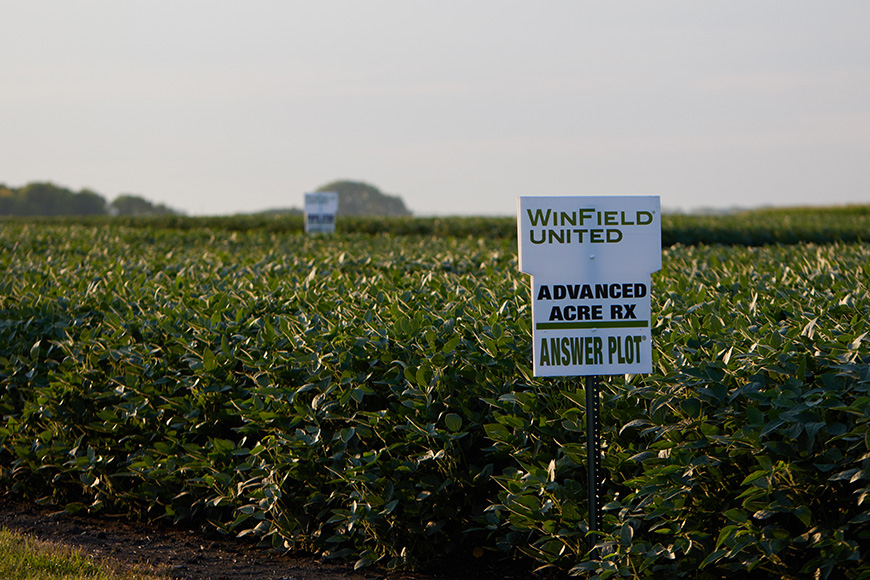
1Based on over 60 trials across Answer Plot® locations in 15 states from 2017 to 2021.
2Based on 19 trials across Answer Plot locations, 2019, 2020, 2022.
All photos are either the property of WinField United or used with permission.
© 2026 WinField United. Important: Before use always read and follow label instructions. Crop performance is dependent on several factors many of which are beyond the control of WinField United, including without limitation, soil type, pest pressures, agronomic practices and weather conditions. Growers are encouraged to consider data from multiple locations, over multiple years and to be mindful of how such agronomic conditions could impact results. Answer Plot, Ascend, Ascend2, Dash, MAX-IN, ST3, Trurow, Warden, Voyagro, YieldOn, ZMB, Zume and WinField are trademarks of WinField United. All other trademarks are the property of their respective owners.

Related Articles