
Establishing a Strong Stand Starts at Planting
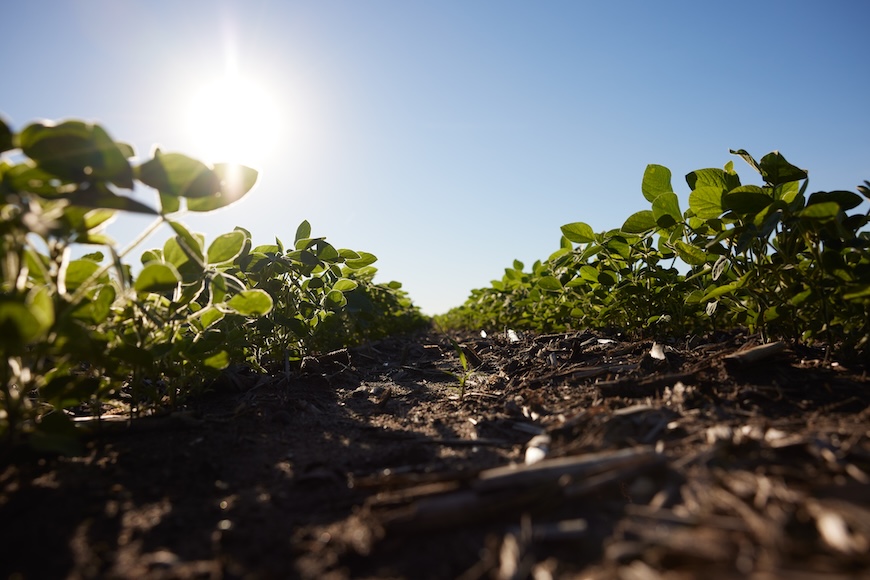
When you make decisions at plant, do you also think about harvest? If not, you should. Harvesting your maximum yield potential in the fall requires a season-long strategy, and that starts on day 1: planting.
Every planting season presents different conditions and trials; as a result, we learn what works and what doesn’t. Keep reading to see how you can apply lessons from last season to set your soybeans up for success in this one.
In my region in the eastern Corn Belt, last season started out wet. Field conditions were too wet for many growers to plant soybeans as soon as planned, but that didn’t stop some growers who were tempted by greater yield potential from earlier plant dates. Below you can see the seed stress outlook from last spring (April 2025).

WinField® United 2025 seed stress outlook map from week of April 13, 2025.
Planting into excessive moisture opens the door for early-season stressors, including diseases, to rob yields early on. If soils are cool and wet, pythium and sudden death syndrome (SDS) can creep in, while warm and wet soils welcome diseases such as phytophthora root rot (PRR).
Lesson Learned: Earlier planting offers greater yield potential, but with a caveat — it also requires greater risk mitigation to combat unpredictable conditions. Waiting for suitable field conditions rather than rushing to get into the field early may pay off in the long run. If you plant early, expect the unexpected (variable weather and pest pressures) and stay adaptable with your management.
Why? Seed treatments are the first line of defense against yield-robbing diseases and insects. The right one can provide a base layer of protection against deadly pests including bean leaf beetle, wireworms, pythium, SDS and PRR. Opting for a lower-tier treatment that doesn’t provide full protection may make crops vulnerable to threats, especially if you’re aiming to plant earlier into likely wetter, more variable soil conditions.
Lesson Learned: Think of the “economics of agronomics” when choosing a seed treatment. A fungicide insecticide treatment might be what you need to maximize your seed investment potential. Despite costs, skipping a seed treatment is not recommended.
If you’re looking to cut costs, consider reducing your seeding rate and reallocating the dollars saved on seed towards a quality treatment. This strategy can help improve overall ROI potential without sacrificing plant health.
For example, red crown rot is a newer threat in the eastern Corn Belt that has hit growers’ fields the past couple seasons. It spreads through wind, meaning it’s difficult to predict and difficult to prevent.
In terms of insects, bean leaf beetles and wireworms are two soybean threats that come to mind. If we have warmer weather earlier, hatching can occur, and these insects could emerge earlier in the season.
Your seed treatment is the base — a fungicide insecticide treatment provides a layer of protection from the minute seed hits the soil. From there, you should bolster your defense with products that add both another layer of protection and give your soybean stand a boost (i.e. kickstart emergence, support germination, enhance root systems and ultimately increase yields).
Lesson Learned: Start with strong pest control by applying a fungicide insecticide seed treatment such as Warden® CX II seed treatment. This is a great, data-backed option that provides top-end protection against expensive disease and insect threats. When used on early-planted soybeans, Warden CX II seed treatment can increase yields by 4 bu/A (compared to untreated soybeans).1
Consider a plant growth regulator (PGR) like Ascend® ST3® PGR for another layer of defense and a kickstart to soybean stand health, especially if you’re planting early. Specifically designed for use as a seed treatment, applying Ascend ST3 PGR with your fungicide insecticide treatment is an efficient, effective way to boost yields, providing a 2.7 bu/A yield bump.2

Warden CX II seed treatment alone vs. Warden CX II + Ascend ST3 PGR
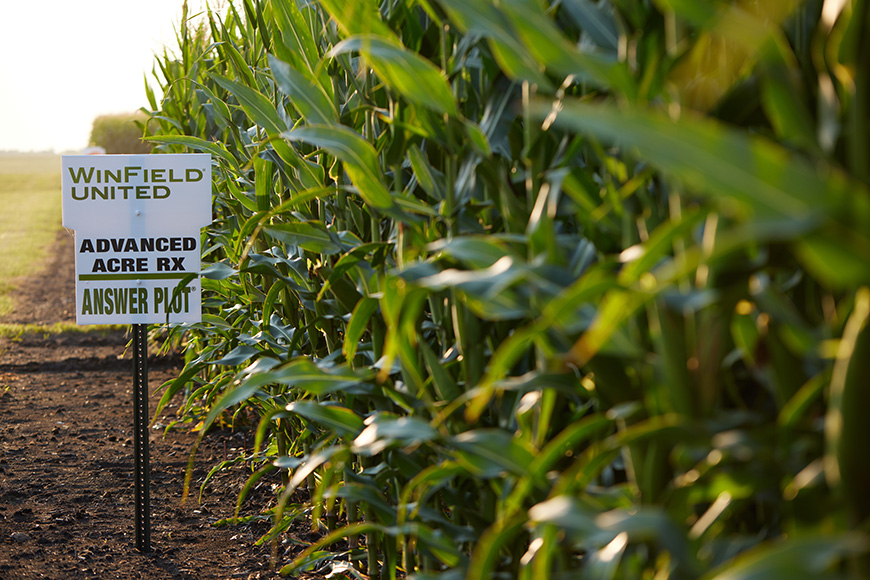
West Salem, WI Answer Plot®, 2024

Warden CX II seed treatment alone vs. Warden CX II + Ascend ST3 PGR
Dale, IN Answer Plot, 2025
Interested in more early soybean insights and product data from near you? Reach out to your local WinField United retailer to learn more.
114 Answer Plot locations. Early planting date: corn planting timeframe. Later planting date: about two weeks later, depending on weather.
2Based on 19 trials across Answer Plot locations, 2019, 2020, 2022. In high-yield environments over 64 bu/A.
All photos are either the property of WinField United or used with permission.
© 2026 WinField United. Important: Before use always read and follow label instructions. Crop performance is dependent on several factors many of which are beyond the control of WinField United, including without limitation, soil type, pest pressures, agronomic practices and weather conditions. Growers are encouraged to consider data from multiple locations, over multiple years and to be mindful of how such agronomic conditions could impact results. Answer Plot, Ascend, ST3, Warden and WinField are trademarks of WinField United. All other trademarks are the property of their respective owners.
Every planting season presents different conditions and trials; as a result, we learn what works and what doesn’t. Keep reading to see how you can apply lessons from last season to set your soybeans up for success in this one.
Lesson #1: Weigh the Risk vs. Reward of Earlier Soybean Planting
We never know what Mother Nature has in store for weather in the spring. When you can’t predict the weather, the next best thing is managing the risk of it wisely.In my region in the eastern Corn Belt, last season started out wet. Field conditions were too wet for many growers to plant soybeans as soon as planned, but that didn’t stop some growers who were tempted by greater yield potential from earlier plant dates. Below you can see the seed stress outlook from last spring (April 2025).
WinField® United 2025 seed stress outlook map from week of April 13, 2025.
Planting into excessive moisture opens the door for early-season stressors, including diseases, to rob yields early on. If soils are cool and wet, pythium and sudden death syndrome (SDS) can creep in, while warm and wet soils welcome diseases such as phytophthora root rot (PRR).
Lesson Learned: Earlier planting offers greater yield potential, but with a caveat — it also requires greater risk mitigation to combat unpredictable conditions. Waiting for suitable field conditions rather than rushing to get into the field early may pay off in the long run. If you plant early, expect the unexpected (variable weather and pest pressures) and stay adaptable with your management.
Lesson #2: Seed Treatments Contribute to Strong ROI
Chances are you know seed treatments are important and are likely already getting your seed treated. Chances are also, like most of the industry, you’re working within tight budgets this season. Seed treatments aren’t an “extra” cost; they’re a critical part of achieving the maximum return potential on your seed investment. And even with a squeezed budget, investing in a top-end fungicide insecticide seed treatment may be a wise choice to protect your crops (and margins).Why? Seed treatments are the first line of defense against yield-robbing diseases and insects. The right one can provide a base layer of protection against deadly pests including bean leaf beetle, wireworms, pythium, SDS and PRR. Opting for a lower-tier treatment that doesn’t provide full protection may make crops vulnerable to threats, especially if you’re aiming to plant earlier into likely wetter, more variable soil conditions.
Lesson Learned: Think of the “economics of agronomics” when choosing a seed treatment. A fungicide insecticide treatment might be what you need to maximize your seed investment potential. Despite costs, skipping a seed treatment is not recommended.
If you’re looking to cut costs, consider reducing your seeding rate and reallocating the dollars saved on seed towards a quality treatment. This strategy can help improve overall ROI potential without sacrificing plant health.
Lesson #3: Open Your Eyes to “Invisible” Threats
This might sound impossible, but the biggest threats you face are the ones you can’t see yet. They’re often out there somewhere, just waiting for the right field conditions to host them. You can’t be certain what pests will show up and when, so taking proactive measures to protect plants from the start is key.For example, red crown rot is a newer threat in the eastern Corn Belt that has hit growers’ fields the past couple seasons. It spreads through wind, meaning it’s difficult to predict and difficult to prevent.
In terms of insects, bean leaf beetles and wireworms are two soybean threats that come to mind. If we have warmer weather earlier, hatching can occur, and these insects could emerge earlier in the season.
Your seed treatment is the base — a fungicide insecticide treatment provides a layer of protection from the minute seed hits the soil. From there, you should bolster your defense with products that add both another layer of protection and give your soybean stand a boost (i.e. kickstart emergence, support germination, enhance root systems and ultimately increase yields).
Lesson Learned: Start with strong pest control by applying a fungicide insecticide seed treatment such as Warden® CX II seed treatment. This is a great, data-backed option that provides top-end protection against expensive disease and insect threats. When used on early-planted soybeans, Warden CX II seed treatment can increase yields by 4 bu/A (compared to untreated soybeans).1
Consider a plant growth regulator (PGR) like Ascend® ST3® PGR for another layer of defense and a kickstart to soybean stand health, especially if you’re planting early. Specifically designed for use as a seed treatment, applying Ascend ST3 PGR with your fungicide insecticide treatment is an efficient, effective way to boost yields, providing a 2.7 bu/A yield bump.2
Warden CX II seed treatment alone vs. Warden CX II + Ascend ST3 PGR
West Salem, WI Answer Plot®, 2024
Warden CX II seed treatment alone vs. Warden CX II + Ascend ST3 PGR
Dale, IN Answer Plot, 2025
Before You Plant
Harvest might not be on your mind yet, but what you do now counts on the yield monitor come fall. Strong early-season practices are the building blocks for season-long success.Interested in more early soybean insights and product data from near you? Reach out to your local WinField United retailer to learn more.
114 Answer Plot locations. Early planting date: corn planting timeframe. Later planting date: about two weeks later, depending on weather.
2Based on 19 trials across Answer Plot locations, 2019, 2020, 2022. In high-yield environments over 64 bu/A.
All photos are either the property of WinField United or used with permission.
© 2026 WinField United. Important: Before use always read and follow label instructions. Crop performance is dependent on several factors many of which are beyond the control of WinField United, including without limitation, soil type, pest pressures, agronomic practices and weather conditions. Growers are encouraged to consider data from multiple locations, over multiple years and to be mindful of how such agronomic conditions could impact results. Answer Plot, Ascend, ST3, Warden and WinField are trademarks of WinField United. All other trademarks are the property of their respective owners.

Related Articles